How Custom Dust Collectors Meet EPA Standards and Improve Compliance
Understanding Custom Dust Collectors and Their Importance
The Role of Custom Dust Collectors in Air Quality
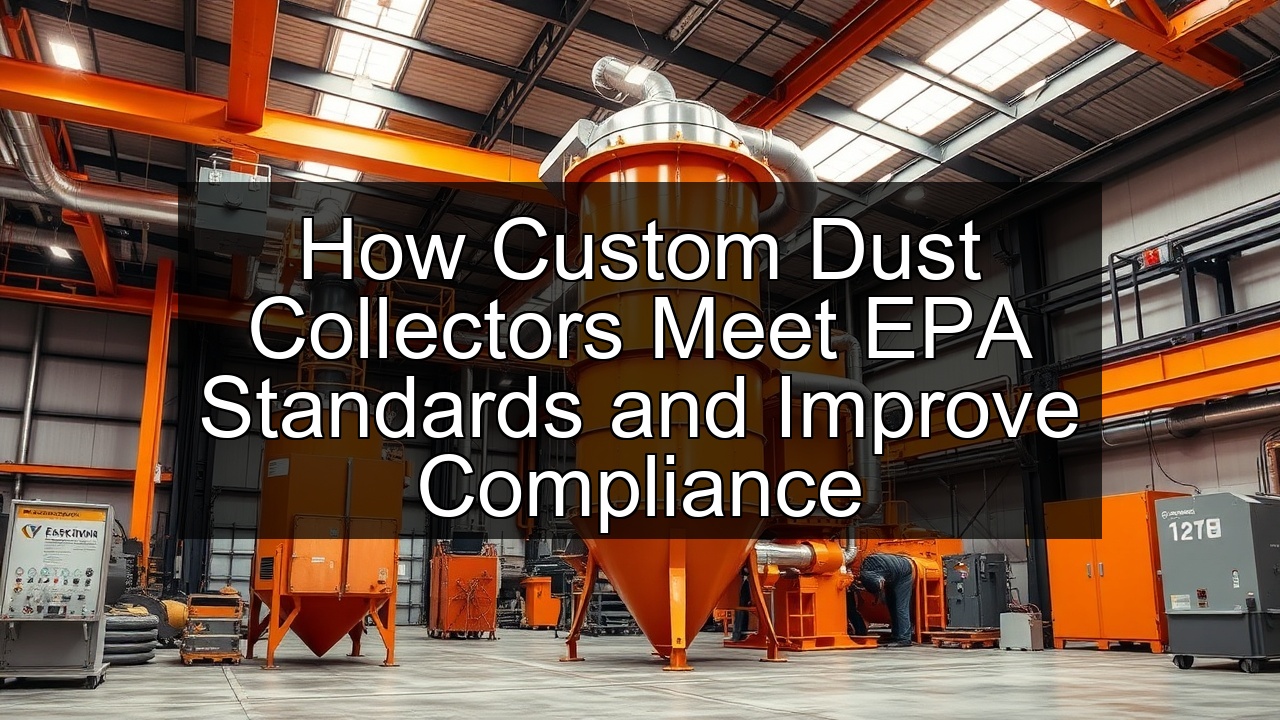
Custom dust collectors play a pivotal role in maintaining superior air quality across industrial environments. These specialized systems capture and remove airborne particulates, ensuring clean air circulation that protects both workers and equipment. In manufacturing facilities, where dust from processes like grinding or welding generates hazardous particles, custom dust collectors integrate seamlessly into operations to filter out contaminants. They outperform standard dust collectors by addressing site-specific challenges, such as varying dust loads or spatial constraints. Engineers design these systems to handle everything from fine particulates to larger debris, promoting compliance with environmental controls and reducing the risk of air pollution. By incorporating advanced filtration, custom dust collection systems enhance overall dust control, making them essential for industries reliant on precise air quality management. Vacuum dust collectors, often customized for shop or portable needs, extend this benefit to smaller spaces, while industrial dust collectors tackle larger-scale dust extraction. Ultimately, these tailored solutions foster healthier workspaces and support sustainable manufacturing practices.
Key Features of Custom Dust Collection Systems
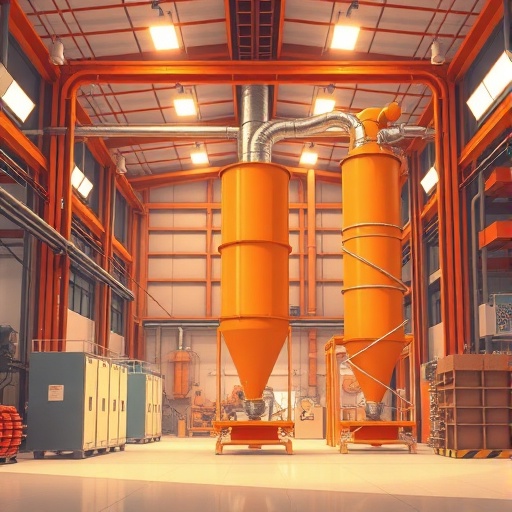
Custom dust collection systems boast features engineered for optimal performance and adaptability. Central to their design, high-efficiency cartridge filters trap even the smallest dust particles, ensuring thorough air filtration. Cyclone dust collectors, a common component, use centrifugal force to separate heavier dust from the airstream, boosting efficiency in dust removal systems. Modular construction allows manufacturers to scale these systems for specific needs, from shop dust collectors in workshops to robust industrial dust collectors in factories. Duct work integrates smoothly, directing airflow to capture dust at the source and preventing recirculation. Automation elements, like sensors for real-time monitoring, enhance operation and maintenance by alerting operators to filter clogs or pressure drops. Energy-saving designs minimize power consumption without sacrificing capture rates, appealing to OEMs seeking cost-effective dust management systems. These features make custom dust systems versatile for dust extraction in diverse settings, from tailored dust collectors for specialty applications to dust filtration systems in high-production lines. Quality control during manufacturing ensures durability, positioning these systems as reliable allies in dust control.
How Customization Enhances Dust Control
Customization elevates dust control by aligning systems precisely with operational demands. Standard off-the-shelf dust collectors often fall short in unique environments, but customized dust collectors adapt to factors like dust type, volume, and facility layout. Engineers collaborate with clients to incorporate elements such as specialized cyclone separators for coarse materials or advanced cartridge filters for fine particulates, creating bespoke dust collection systems. This approach excels in dust control systems for custom needs, where space limitations or hazardous dust require innovative solutions. For instance, in manufacturing, a custom filtration system might include integrated ventilation to maintain air quality while optimizing airflow through custom duct work. Tailored dust collectors also integrate with existing machinery, minimizing downtime during installation. By focusing on specifics like particle size and emission limits, these systems achieve superior dust extraction, reducing fugitive emissions and enhancing productivity. Millwrights appreciate the ease of integrating these into mill operations, while OEMs benefit from scalable designs. Overall, customization transforms dust management from reactive to proactive, ensuring long-term efficacy in industrial dust collectors and beyond.
Meeting EPA Standards with Custom Dust Collectors
Understanding EPA Regulations for Dust Collection
EPA regulations set stringent guidelines for dust collection to curb air pollution and protect public health. These rules target particulate matter emissions from industrial sources, mandating effective capture and filtration to prevent release into the atmosphere. Custom dust collectors align perfectly with these standards by incorporating engineering solutions that meet or exceed emission limits. Key aspects include monitoring visible emissions and ensuring opacity levels stay below thresholds, often verified through stack testing. Manufacturers design these systems to handle specific pollutants, like those from metalworking or woodworking, integrating cyclone or baghouse technologies for compliance. Dust collection systems must also account for National Ambient Air Quality Standards (NAAQS), focusing on PM2.5 and PM10 particulates. Custom approaches allow for tailored responses to regional EPA variances, making them indispensable for dust control in regulated industries. By embedding environmental controls, these collectors of dust ensure operations remain legal and sustainable, addressing related concerns like dust extractor systems for precise compliance. Information from EPA guidelines informs every aspect, from filter selection to system sizing, guaranteeing robust air pollution control.
Engineering Solutions for Compliance
Engineering solutions drive compliance in custom dust collectors through innovative design and precise implementation. Experts assess facility needs, then engineer systems with high-efficiency filters and optimized duct work to capture dust at the source, minimizing emissions. Cyclone dust collectors feature prominently in these solutions, efficiently separating particulates before finer filtration stages. For complex setups, modular dust collection systems allow phased integration, ensuring uninterrupted productivity during upgrades. Compliance hinges on verifiable performance, so engineers incorporate data logging for EPA audits, tracking metrics like airflow and pressure differentials. Custom filtration systems often include multi-stage processes—pre-filters for large debris, followed by HEPA cartridges for ultra-fine particles—meeting diverse regulatory demands. In manufacturing, these engineered dust removal systems integrate with ventilation to maintain negative pressure, preventing dust escape. OEMs rely on such tailored engineering to certify their equipment, while state-of-the-art simulations predict system behavior under load. This proactive engineering not only secures EPA adherence but also enhances overall dust management systems, setting a benchmark for environmental responsibility in industrial applications.
Filtration Systems That Meet Air Pollution Control Standards
Filtration systems in custom dust collectors deliver unmatched air pollution control by capturing contaminants at molecular levels. Advanced cartridge filters, often pleated for maximum surface area, trap 99.99% of particulates, aligning with EPA's strict standards for clean air emissions. Baghouse configurations, customized for high-dust environments, pulse-clean filters automatically to sustain efficiency without excessive energy use. Cyclone pre-separators enhance these systems by removing bulk dust, extending filter life and reducing maintenance. For specialized needs, like pharmaceutical manufacturing, HEPA filtration ensures sterile environments while complying with pollution controls. These dust filtration systems integrate seamlessly with ventilation, creating enclosed pathways that prevent particulate escape. Energy-saving pulse-jet mechanisms optimize cleaning cycles, balancing performance and sustainability. Manufacturers emphasize quality control in filter media selection, using anti-static fabrics for explosive dusts. Custom dust systems excel here, offering dust collectors for custom needs that scale from portable units to industrial giants. By addressing particulates comprehensively, these filtration collectors safeguard air quality, support compliance, and mitigate health risks associated with airborne dust.
Improving Workplace Safety and Compliance
The Impact of Dust on Worker Safety
Dust profoundly affects worker safety, posing respiratory hazards and explosion risks in uncontrolled environments. Fine particulates infiltrate lungs, leading to conditions like silicosis or asthma, while combustible dusts ignite readily in confined spaces. Custom dust collectors mitigate these threats by capturing dust at its origin, drastically reducing airborne concentrations. In workshops or factories, unchecked dust accumulation on surfaces creates slip hazards and obscures visibility, endangering operators. Ventilation plays a crucial role, but without effective dust extraction, it merely disperses contaminants. Tailored dust collection systems address this by designing for specific dust profiles—whether metallic shavings or organic fibers—ensuring comprehensive removal. OSHA highlights these dangers, urging proactive measures like dust control systems to protect productivity and health. Portable dust collectors suit mobile operations, while industrial variants handle fixed lines. By integrating safety features like explosion-proof fans, custom solutions transform risky spaces into secure ones. Ultimately, prioritizing dust management elevates worker safety, fosters a culture of compliance, and boosts morale in dust-prone industries.
How Custom Dust Collectors Ensure OSHA Compliance
Custom dust collectors ensure OSHA compliance by embedding safety protocols into every component. OSHA standards demand permissible exposure limits (PELs) for airborne dust, and these systems actively enforce them through superior capture efficiencies. Engineers configure duct work and hoods to enclose emission points, preventing worker exposure during tasks like sanding or cutting. Multi-stage filtration, including cyclone separators, removes hazards before they reach breathing zones. Automation monitors air quality in real-time, triggering alerts for maintenance to avoid breaches. For explosive dusts, NFPA-compliant designs incorporate spark arrestors and grounding, aligning with OSHA's fire prevention rules. Custom filtration systems adapt to unique workflows, such as in millwright services where heavy machinery generates intense dust loads. These dust collector systems also support record-keeping for inspections, documenting filter changes and performance data. OEMs customize for shop dust collectors or larger industrial dust collectors, ensuring versatility. By surpassing basic requirements, custom dust systems not only meet OSHA mandates but also enhance overall safety, reducing incident rates and liability in manufacturing settings.
Ventilation and Worker Health: A Vital Connection
Ventilation and worker health interconnect deeply, with effective systems like custom dust collectors serving as lifelines in dusty industries. Proper airflow dilutes contaminants, but targeted dust collection amplifies this by removing particles outright, preserving lung function and preventing chronic illnesses. Inadequate ventilation leads to fatigue and errors, undermining productivity; custom solutions counter this with balanced exhaust that maintains comfortable temperatures alongside clean air. Integrated duct work channels fumes away from workstations, while cartridge filters ensure recirculated air meets health benchmarks. For spaces with limited room, compact cyclone dust collectors provide efficient ventilation without compromising coverage. OSHA and EPA overlap here, emphasizing holistic approaches to particulates control. Tailored designs consider ergonomics, positioning inlets to avoid cross-drafts that stir up settled dust. Energy-saving fans reduce noise pollution, further aiding well-being. Manufacturers focus on durable materials to withstand harsh conditions, ensuring reliable operation and maintenance. This vital connection underscores how custom dust collection systems not only comply with regulations but also invest in human capital, yielding healthier, more resilient workforces.
Technological Innovations in Custom Dust Collection
State-of-the-Art Filtration Technologies
State-of-the-art filtration technologies revolutionize custom dust collection, pushing boundaries in efficiency and precision. Nanofiber media in cartridge filters capture sub-micron particles, far surpassing traditional fabrics and extending service intervals. Self-cleaning mechanisms, like ultrasonic agitation, dislodge dust without compressed air, slashing energy use in dust filtration systems. Hybrid systems combine cyclone separation with electrostatic precipitators, ideal for sticky or fibrous dusts in manufacturing. These innovations enable dust collectors for custom needs, adapting to volatile organic compounds alongside particulates. Sensor-driven tech monitors filter loading, optimizing replacement schedules for peak performance. In industrial dust collectors, AI algorithms predict clogs based on operational data, preempting downtime. Portable and shop variants incorporate these for on-demand dust extraction, while vacuum dust collectors benefit from lightweight, high-capacity filters. OEMs integrate IoT for remote diagnostics, streamlining quality control. This cutting-edge filtration ensures air quality standards, supports air pollution control, and drives sustainable dust management systems across sectors.
The Role of Automation in Dust Collection Systems
Automation transforms dust collection systems, making them smarter and more responsive to industrial demands. Programmable logic controllers (PLCs) orchestrate fan speeds and damper positions, adjusting to real-time dust loads for optimal capture. In custom dust collectors, robotic arms automate filter changes, minimizing human exposure in hazardous areas. Integrated sensors detect anomalies like leaks in duct work, triggering automatic shutdowns to prevent emissions. This tech excels in large-scale dust collection systems, where automation coordinates multiple units for seamless operation. For specialty dust collectors, machine learning refines airflow patterns, enhancing ventilation in confined spaces. Energy-saving automation idles components during low-activity periods, cutting costs without compromising safety. Manufacturers embed user interfaces for easy oversight, providing data on particulates levels for compliance reporting. Millwrights install these with plug-and-play modules, easing retrofits. Automation not only boosts productivity but also ensures consistent dust control, positioning custom filtration systems as indispensable in modern manufacturing.
Energy-Saving Features of Modern Dust Collectors
Modern dust collectors incorporate energy-saving features that slash operational costs while maintaining robust performance. Variable frequency drives (VFDs) modulate motor speeds based on demand, reducing electricity draw by up to 50% during partial loads. Regenerative thermal oxidizers recapture heat from exhaust, preheating incoming air in ventilation systems. Custom designs optimize duct sizing to minimize pressure drops, easing fan workload and extending equipment life. Cyclone dust collectors inherently save energy by gravity-separating dust, requiring less power for final filtration. In industrial settings, these features integrate with automation for predictive energy management, aligning with green manufacturing goals. Portable dust collectors use brushless motors for efficiency in mobile applications, while shop dust collectors feature low-wattage blowers. OEMs prioritize recyclable materials, further enhancing sustainability. Quality control verifies these efficiencies through rigorous testing, ensuring real-world savings. By focusing on energy-saving tech, custom dust systems support environmental controls, lower utility bills, and promote eco-friendly dust extraction across diverse operations.
Operational Efficiency and Maintenance of Custom Dust Collectors
Best Practices for Operation and Maintenance
Best practices for operation and maintenance of custom dust collectors maximize longevity and efficiency. Regular inspections of filters and duct work detect wear early, preventing costly failures. Schedule differential pressure checks monthly to gauge filter condition, cleaning or replacing as needed to sustain airflow. Train operators on automation interfaces, ensuring prompt responses to alerts for clogs or imbalances. In dust collection systems, lubricate moving parts like fans quarterly, and verify grounding for safety in explosive environments. Custom setups benefit from site-specific protocols, such as wet suppression for sticky dusts in manufacturing. Document all activities for compliance audits, tracking metrics like capture velocity. Millwrights handle alignments during seasonal overhauls, optimizing performance. Energy-saving modes activate automatically, but manual overrides allow fine-tuning for peak periods. These practices extend beyond routine care, incorporating predictive analytics to forecast issues. By adhering to them, facilities achieve seamless dust control, enhance productivity, and uphold OSHA standards in ventilation-dependent operations.
Quality Control in Dust Collector Manufacturing
Quality control in dust collector manufacturing ensures every unit meets exacting standards for reliability and performance. Rigorous testing protocols, from material inspections to full-system simulations, verify components like cartridge filters withstand operational stresses. Weld integrity checks on cyclone housings prevent leaks, while airflow calibrations confirm design specs. Manufacturers implement ISO-certified processes, tracing parts from sourcing to assembly for accountability. Custom orders undergo client-specific validations, such as particulate challenge tests mimicking real dust loads. Automation aids precision, with CNC machining for duct work consistency. OEMs collaborate with engineers to incorporate feedback loops, refining designs iteratively. Environmental controls during production minimize contamination, ensuring clean air in filter assembly areas. This meticulous approach extends to packaging and shipping, safeguarding units en route. Ultimately, superior quality control delivers dust collectors that excel in air pollution control, support compliance, and drive user confidence in tailored dust collection systems.
The Future of Custom Dust Systems in Industrial Applications
The future of custom dust systems in industrial applications promises smarter, more integrated solutions driven by emerging technology. AI-enhanced predictive maintenance will anticipate failures, optimizing operation and maintenance schedules for minimal disruption. Sustainable materials, like biodegradable filters, will align with global eco-regulations, reducing waste in dust filtration systems. Modular, plug-and-play designs will facilitate rapid scalability, suiting evolving manufacturing needs. Integration with IoT platforms will enable fleet-wide monitoring of dust collection systems, providing actionable insights for productivity gains. Advanced cyclone and cartridge hybrids will target nano-particulates, exceeding current EPA thresholds. Ventilation systems will incorporate bio-mimetic flows, mimicking natural patterns for energy-efficient capture. OEMs will lead with customizable software for OEM-specific tweaks, from shop dust collectors to industrial behemoths. As industries prioritize worker safety and clean air, custom dust collectors will evolve into comprehensive environmental management tools, ensuring compliance while fostering innovation in dust control and beyond.
See Also
- Innovative Cyclone Dust Collectors Designed for Optimal Performance
- Transforming Air Quality with Custom Dust Collectors for Every Industry
- Revolutionize Your Workspace with Tailored Dust Collection Systems
- From Concept to Operation the Journey of Custom Dust Collector Design
- How Custom Dust Collectors Improve Worker Safety and Health