Evaluating Pressure and Accuracy in Custom Plastic Molding
Understanding Custom Plastic Molding Processes
Overview of Injection Molding Techniques
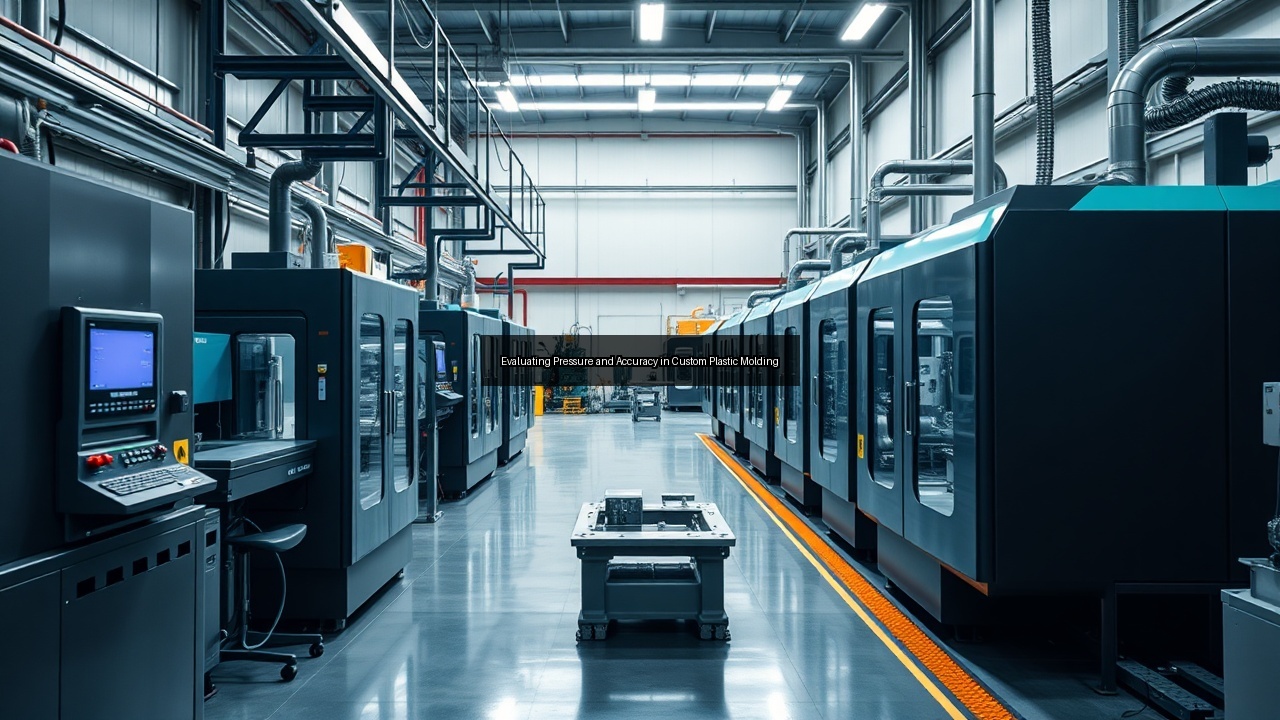
Custom plastic molding primarily revolves around injection molding, a widely used technique in manufacturing plastic parts. This process involves heating thermoplastic materials until they become molten and then injecting them into a custom mold under high pressure. The design of the injection mold plays a crucial role in achieving the desired shape and features of the final product. Variations in design can lead to different molding techniques, each suited to specific applications. For instance, the use of multi-cavity molds can significantly enhance production efficiency by allowing multiple parts to be produced simultaneously, thereby reducing manufacturing time and costs.
Exploring Overmolding and Insert Molding
Overmolding and insert molding represent specialized techniques within the realm of custom plastic molding. Overmolding involves layering two different materials during the molding process. This technique enhances the functionality and aesthetics of plastic parts. For example, a soft-touch overmold can be applied to a hard plastic component, resulting in a product that is both durable and comfortable to handle. Insert molding, on the other hand, incorporates pre-formed components, such as metal threaded inserts, directly into the mold during the injection process. This integration improves part strength and simplifies assembly in the final product, making it a popular choice for applications requiring enhanced durability.
The Role of 3D Printing in Custom Mold Design
3D printing revolutionizes the design and prototyping phases of custom plastic molding. Designers can create intricate and complex mold geometries that traditional methods may struggle to achieve. The rapid prototyping capabilities of 3D printing enable manufacturers to test designs quickly and make necessary adjustments before committing to full-scale production. This flexibility reduces the risk of costly errors and enhances overall efficiency. Additionally, 3D-printed molds can be produced at a fraction of the cost and time compared to conventional tooling methods, making it an attractive choice for businesses looking to innovate while managing costs effectively.
Key Factors in Pressure and Accuracy
Impact of Pressure on Molding Quality
Pressure plays a pivotal role in the quality of injection molded parts. During the injection molding process, maintaining optimal pressure ensures that the molten plastic fills the mold cavity completely, eliminating voids or air pockets that can compromise the integrity of the final product. Insufficient pressure may lead to incomplete filling, while excessive pressure can cause defects such as warping or dimensional inaccuracies. An effective pressure management system, integrated with advanced machinery, allows manufacturers to achieve consistent results. Monitoring pressure throughout the process also aids in adjusting conditions in real-time, enhancing the overall quality of the molded parts.
Achieving Accuracy in Custom Plastic Parts
Accuracy is paramount in custom plastic molding, especially for applications requiring precise dimensions and fits. Achieving this accuracy involves meticulous attention to mold design, material properties, and process conditions. The use of high-precision molds ensures that the final parts conform closely to the design specifications. Manufacturers often utilize advanced measurement tools to verify dimensions during production, ensuring that each part meets stringent quality standards. Additionally, factors such as cooling rates and temperature control during the molding process can significantly impact accuracy. Understanding these variables allows manufacturers to fine-tune their processes for optimal outcomes.
Material Selection for Optimal Performance
Choosing the right material is critical in custom plastic molding. Different applications demand specific material properties such as strength, flexibility, and heat resistance. Thermoplastic materials, like ABS and polycarbonate, offer versatility and can be easily molded into complex shapes. Liquid silicone rubber (LSR) is gaining traction for its unique properties, including high elasticity and temperature resistance, making it a preferred choice for medical and consumer products. Understanding the performance requirements of the final product guides the material selection process. Manufacturers must evaluate factors like environmental conditions and mechanical stress to ensure the longevity and functionality of the molded parts.
Logistics and Cost Considerations
Pricing Strategies for Custom Plastic Molding
Pricing strategies in custom plastic molding vary based on numerous factors, including material costs, mold complexity, and production volume. Custom molds often represent a significant initial investment; however, they lead to cost savings over large production runs. Manufacturers typically employ a pricing model that reflects the intricacies of the mold design and the expected volume of production. Understanding these dynamics aids businesses in budgeting effectively and optimizing their supply chain logistics. Additionally, manufacturers can explore flexible pricing options, such as tiered pricing based on order quantities, to attract and retain customers while maximizing profitability.
Rapid Tooling and Its Effect on Production Time
Rapid tooling significantly enhances production efficiency in custom plastic molding. This approach allows for the quick fabrication of molds using advanced techniques such as additive manufacturing or CNC machining. Rapid tooling reduces lead times, enabling manufacturers to bring products to market faster. This speed is particularly beneficial for industries like consumer electronics and automotive, where time-to-market is crucial for maintaining competitive advantage. Moreover, rapid tooling facilitates iterative design processes, allowing for quick modifications and adjustments to molds based on testing and feedback. As a result, companies can respond to changing market demands more adeptly.
Quality Control Measures in the Molding Process
Implementing robust quality control measures is essential in the custom plastic molding process. Regular inspections and testing at various stages of production help ensure that molded parts meet established specifications. Techniques such as statistical process control (SPC) monitor production processes in real-time, allowing manufacturers to identify and rectify issues before they escalate. Additionally, methods like X-ray inspection and dimensional analysis provide insights into the structural integrity and accuracy of the molded parts. Adopting stringent quality control protocols not only minimizes defects but also enhances customer satisfaction and builds brand reputation in a highly competitive market.
Innovations and Future Trends in Molding
The Rise of Liquid Silicone Rubber in Custom Applications
Liquid silicone rubber (LSR) is emerging as a transformative material in the custom plastic molding landscape. Its unique properties, including high elasticity and resistance to extreme temperatures, make it ideal for various applications, from medical devices to consumer products. LSR's capability to be molded into intricate shapes with fine details enhances its appeal in industries requiring precision and functionality. Moreover, the ability to produce LSR parts through injection molding enables manufacturers to scale production efficiently while maintaining high-quality standards. As industries continue to seek innovative solutions, LSR is poised to play a pivotal role in shaping the future of custom molding.
Advancements in Thermoplastic Materials
Continuous advancements in thermoplastic materials are reshaping the potential of custom plastic molding. New formulations exhibit improved mechanical properties, thermal resistance, and environmental sustainability. High-performance thermoplastics, such as polyether ether ketone (PEEK) and polyphenylene sulfide (PPS), are gaining popularity in aerospace and automotive sectors due to their lightweight and durable characteristics. Additionally, bio-based thermoplastics are emerging as eco-friendly alternatives, aligning with global sustainability efforts. As manufacturers embrace these innovations, they unlock new possibilities for designing complex components that meet diverse functional requirements while reducing environmental impact.
Sustainable Practices in Plastic Molding
Sustainable practices in custom plastic molding are becoming increasingly important as industries recognize the need for eco-conscious manufacturing. Techniques like recycling scrap materials and using biodegradable alternatives help reduce waste and minimize environmental footprints. Implementing energy-efficient machinery and optimizing production processes contribute to lower energy consumption during manufacturing. Additionally, companies are exploring closed-loop systems that allow for the reuse of materials, further enhancing sustainability. Emphasizing eco-friendly practices not only satisfies regulatory requirements but also appeals to consumers who prioritize sustainability in their purchasing decisions, creating a competitive edge in the market.
See Also
- The Future of Manufacturing with Custom Plastic Molding Techniques
- Choosing the Right Thermoplastic Materials for Custom Plastic Molding
- Maximizing Efficiency in Custom Plastic Molding Logistics
- The Role of Threaded Inserts in Custom Plastic Molding Projects
- How Custom Plastic Molding Can Transform Your Product Design