Why Hydrostatic Testing is Crucial for Aerospace and Vehicle Safety
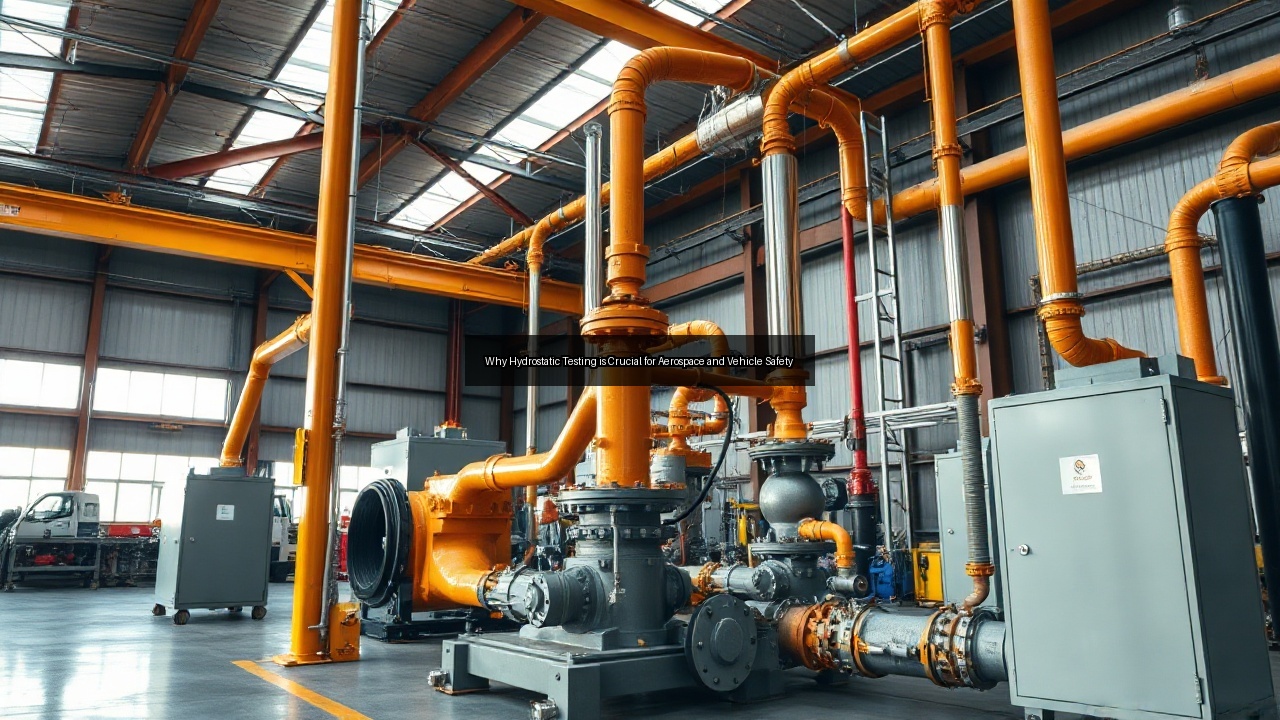
Understanding Hydrostatic Testing and Its Importance
What is Hydrostatic Testing?
Hydrostatic testing verifies the strength and integrity of pressure vessels, pipelines, and tanks by filling them with liquid and applying controlled pressure. Engineers use this process across aerospace components, vehicle fuel systems, and energy infrastructure to detect leaks or weaknesses before deployment. The method relies on incompressible fluids like water to transmit pressure evenly, revealing flaws that could lead to failures under operational loads. Companies in the oil and gas industry routinely apply hydrostatic testing to pipelines that transport crude oil and natural gas, ensuring no bursts occur during high-volume transfers. This validation step prevents costly downtime and protects workers from sudden ruptures. In construction projects involving chemical storage, teams conduct hydrostatic testing on welded joints to confirm they withstand extreme conditions without deformation.
Unlike pneumatic tests that use gas and risk explosions, hydrostatic testing minimizes hazards because liquids do not compress explosively. Aerospace firms integrate it into quality checks for hydraulic lines and nitrogen storage bottles, while vehicle manufacturers test brake reservoirs and fuel tanks. Hydrostatic testing companies provide specialized equipment and certified technicians who document results for regulatory compliance. The process also supports mechanical testing by establishing baseline performance data that guides design improvements in energy and transportation sectors.
How Hydrostatic Testing Works
Technicians begin by isolating the component, filling it completely with liquid to eliminate air pockets, then ramp up pressure beyond normal operating levels. Gauges monitor for drops that indicate leaks or material yielding. In aerospace applications, this confirms fuel lines handle flight stresses, while vehicle safety tests focus on cooling systems and hydraulic actuators. Pressure holds for specified durations allow inspectors to examine welds and seams visually or with sensors. Hydrostatic pressure testing often pairs with nitrogen purging afterward to dry components and prevent corrosion in oil and gas pipelines.
Modern setups include automated pumps and data loggers that record every variable for traceability. Firms offering hydrostatic pressure tests calibrate equipment to precise tolerances, accounting for temperature effects on fluid expansion. This systematic approach uncovers microscopic defects missed by visual inspection alone. Vehicle assembly lines rely on these protocols to certify brake lines before vehicles reach customers, reducing recall risks. The method scales from small fittings in construction equipment to large storage tanks in chemical plants, delivering consistent safety outcomes.
The Role of Hydrostatic Pressure in Safety
Hydrostatic pressure applies uniform force that stresses every surface equally, exposing weak points that could fail during service. Aerospace engineers depend on this principle to validate pressurized cabins and propulsion tanks, where even minor breaches compromise flight safety. In vehicles, it safeguards against fuel leaks that ignite on impact or during refueling. Oil and gas operators use elevated hydrostatic pressure on pipelines to simulate worst-case scenarios, confirming management systems can contain fluids without rupture. This proactive measure cuts accident rates across energy facilities and construction sites.
By exceeding design limits during testing, teams establish safety margins that account for corrosion, fatigue, and manufacturing variances. Hydrostatic testing companies supply portable units for field validation on remote gas lines, ensuring continuous operation without shutdowns. The approach integrates with welding inspections to verify joint quality before commissioning. Reliable pressure application also supports regulatory audits, giving stakeholders documented proof that components meet endurance requirements in demanding environments like high-altitude flights or heavy-duty trucking.
Applications of Hydrostatic Testing in Aerospace and Vehicles
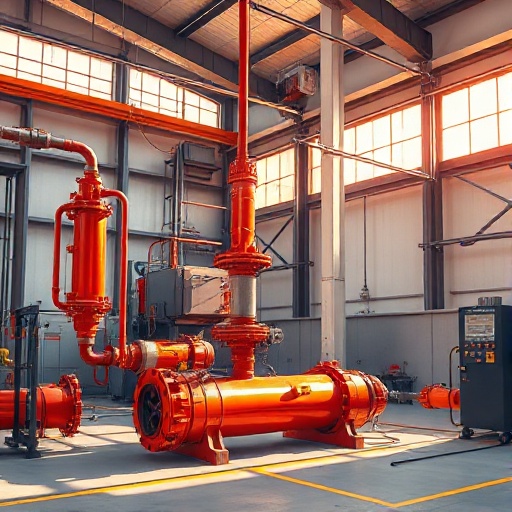
Hydrostatic Testing in Aerospace Engineering
Aerospace programs apply hydrostatic testing to critical systems such as oxygen bottles, fuel manifolds, and landing gear actuators. Engineers fill these assemblies with liquid and pressurize them to 1.5 times maximum expected loads, watching for seepage at seals and fittings. The process validates designs against vibration and thermal cycling encountered during missions. Hydrostatic testing companies specializing in aviation deliver mobile labs that perform on-site checks at manufacturing plants, accelerating production timelines. Results feed into certification packages submitted to aviation authorities, demonstrating compliance with structural integrity rules.
Complex composite tanks in modern aircraft undergo repeated hydro cycles to simulate years of service. Technicians combine these tests with ultrasonic scans to map internal stress distributions. Pipeline sections inside spacecraft propulsion modules receive similar treatment to prevent leaks that could strand crews. The method extends to ground support equipment, including nitrogen carts used for tire inflation and system purges. Consistent application across suppliers strengthens overall fleet reliability and reduces in-flight anomalies tied to pressure containment failures.
Importance for Vehicle Safety
Vehicle manufacturers embed hydrostatic testing in quality gates for brake lines, power steering reservoirs, and compressed natural gas tanks. Pressurizing these parts with fluid reveals porosity in castings or incomplete welds that might otherwise cause sudden loss of control. Fleet operators schedule periodic hydro testing on hydraulic lifts and fuel delivery systems to maintain roadworthiness. Hydrostatic testing firms provide certified reports that support insurance claims and liability defense when accidents occur. This discipline directly lowers warranty costs by catching defects early in assembly.
Heavy trucks and off-road equipment benefit from tests on large-diameter pipelines carrying diesel or hydraulic fluid. Elevated pressure confirms joints survive vibration from rough terrain. Electric vehicle battery cooling circuits also undergo hydro validation to avoid coolant leaks near high-voltage components. By documenting pressure retention over time, teams establish maintenance intervals that keep vehicles operating safely throughout their service life. Integration with pneumatic leak checks further enhances detection rates without adding excessive cycle time.
Case Studies: Successful Implementations
One aerospace contractor used hydrostatic pressure testing on titanium fuel lines and achieved zero leaks across 500 units, shortening certification by six weeks. The hydrostatic testing company involved supplied digital recording systems that automated data capture and reduced human error. In the automotive sector, a major truck builder implemented routine hydro tests on chassis hydraulic lines, cutting field failures by 40 percent and improving customer satisfaction scores. Documentation from these programs helped the firm pass external audits with minimal findings.
Energy transport projects provide further examples where pipelines carrying oil and gas underwent full hydrostatic validation before burial. Teams detected and repaired three weld imperfections that would have caused environmental incidents. Construction firms testing chemical storage vessels similarly avoided spills by confirming vessel walls withstood design pressure plus margin. These outcomes illustrate how targeted hydrostatic testing drives measurable safety gains while supporting production efficiency across industries.
The Role of Hydrostatic Testing Companies
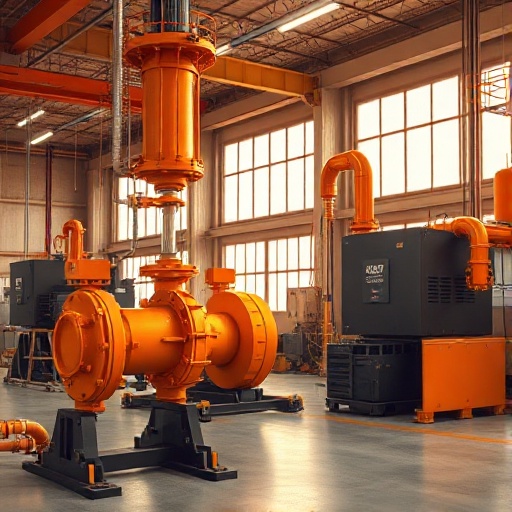
Identifying Reliable Hydrostatic Testing Firms
Operators seeking hydrostatic testing companies should verify certifications from recognized bodies and review case histories in aerospace or vehicle applications. Reputable firms maintain calibrated equipment fleets and employ technicians trained in both hydrostatic and mechanical testing protocols. References from oil and gas clients confirm experience with pipeline projects, while aerospace references highlight precision on flight hardware. Site visits reveal whether the company follows strict safety and documentation standards during pressure application.
Online directories and industry associations list hydrostatic pressure test companies that specialize in mobile services for remote construction sites. Evaluation criteria include turnaround speed, report clarity, and ability to handle exotic materials like composites or high-strength alloys. Firms with broad portfolios in energy and chemical sectors demonstrate versatility that translates well to vehicle and aerospace demands. Background checks on insurance coverage and incident records further separate dependable partners from less rigorous providers.
Key Services Offered by Hydrostatic Testing Companies
Leading hydrostatic testing companies deliver on-site pressure application, leak detection, and post-test drying with nitrogen. They supply pumps rated for various pressure ranges, data acquisition systems, and trained crews for pipeline and vessel work. Additional offerings include weld inspection coordination, fluid disposal management, and integration with pneumatic tests for comprehensive validation. Aerospace clients receive cleanroom-compatible procedures, while vehicle programs benefit from high-throughput line testing setups.
Many firms also provide training for client personnel on proper test execution and interpretation. They maintain inventories of adapters and gauges suited to diverse fittings found in construction equipment and energy infrastructure. Customized protocols address unique challenges such as elevated temperatures or corrosive fluids common in chemical processing. These bundled services streamline project execution and ensure consistent quality across multiple testing events.
How to Choose the Right Hydrostatic Testing Company
Selection begins with matching the hydrostatic testing company’s capabilities to project scale and material types. Request proposals that detail equipment specifications, personnel qualifications, and sample reports. Compare pricing structures against value delivered, including warranty on test results and responsiveness to schedule changes. Vehicle manufacturers often prioritize firms experienced with high-volume production environments, whereas aerospace teams favor those with stringent traceability systems.
Site audits and pilot tests help confirm operational competence before full commitment. References from similar industries such as oil and gas or energy confirm the company handles regulatory documentation accurately. Final decisions weigh technical fit, safety record, and long-term partnership potential, ensuring the chosen hydrostatic pressure testing companies support ongoing quality and compliance needs without introducing new risks.
The Impact of Hydrostatic Testing on Industry Standards and Safety
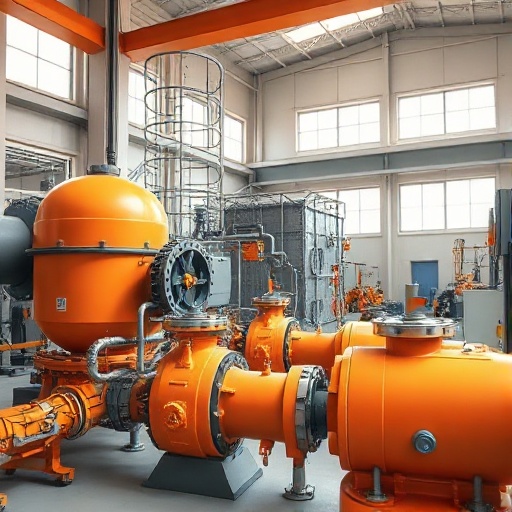
Regulatory Standards for Hydrostatic Testing
Industry codes mandate hydrostatic testing intervals and pressure ratios for pipelines, pressure vessels, and aerospace hardware. Standards require documented procedures, calibrated instrumentation, and third-party oversight in critical applications. Oil and gas regulators enforce these rules on transmission pipelines to protect communities and ecosystems. Aerospace specifications tie test parameters directly to flight certification, linking successful hydro results to airworthiness approval.
Construction and energy sectors follow similar guidelines that specify hold times and acceptance criteria. Hydrostatic testing companies must demonstrate compliance through audit trails and equipment certifications. Updates to standards incorporate lessons from past incidents, raising minimum safety factors and expanding test coverage to new materials. Adherence keeps operators aligned with legal obligations and insurance requirements across global markets.
The Consequences of Neglecting Hydrostatic Testing
Skipping hydrostatic testing invites leaks, ruptures, and catastrophic failures that damage equipment and endanger personnel. In vehicles, untested fuel systems have caused fires during crashes, triggering recalls and lawsuits. Aerospace programs that bypass validation face grounding orders and loss of certification. Pipeline operators in the oil and gas industry have paid heavy fines after bursts released hazardous fluids into the environment.
Neglect also erodes public trust and inflates long-term costs through emergency repairs and litigation. Construction projects suffer delays when authorities discover missing test records. Reliable hydrostatic testing companies emphasize that proactive investment prevents far larger expenses later. Consistent application across industries protects reputations and sustains operational continuity.
Future Trends in Hydrostatic Testing for Aerospace and Vehicles
Advances in sensor technology allow real-time monitoring during hydrostatic pressure testing, flagging anomalies instantly. Automation reduces technician exposure and speeds throughput on vehicle assembly lines. Aerospace programs explore hybrid test sequences combining hydro and acoustic emission methods for earlier defect detection. Hydrostatic testing companies invest in portable digital platforms that upload results directly to client databases for instant review.
Sustainability drives interest in reusable test fluids and reduced water consumption. Integration with digital twins lets engineers simulate pressure cycles virtually before physical tests, optimizing parameters. These innovations promise higher reliability for pipelines, pressure vessels, and vehicle components while lowering overall testing expenses. Continued collaboration between manufacturers and specialized firms will shape safer standards for energy, construction, and transportation sectors.